Choosing an AI visibility provider shouldn’t be this complicated. SEO agencies are expanding into AI search, public relations firms are talking about digital authority, and specialized companies are tracking which businesses appear in AI-generated answers. Everybody seems to have an AI offering these days. The problem is that they’re not necessarily selling the same thing.
The marketing industry has always been pretty good at giving familiar services new names. Sometimes the technology really does change the work. Other times, it’s the same work with a new label and a higher price tag. Answer Engine Optimization (AEO) and Generative Engine Optimization (GEO) are legitimate areas of marketing, but I’d want a pretty clear explanation of what I’m getting before signing another agency contract.
What Makes an AI Visibility Provider Worth Hiring?
AI visibility is about whether your business appears in AI-generated answers. AI Authority goes further, focusing on the expertise, credibility and consistent information that can help make your company a credible recommendation. There’s an important difference between an AI platform citing something you wrote and recommending your business when someone asks who they should hire.
Some providers specialize in monitoring AI mentions and comparing competitors. Others develop content, improve websites and work to establish a stronger presence across the internet. Both have a purpose, but they aren’t interchangeable. If you’ve already got a marketing team capable of acting on the findings, a monitoring and research platform might be exactly what you need. If you’re hiring someone to improve your visibility, I’d want to know who’s actually doing that work.
This isn’t an excuse to throw traditional marketing out the window, either. Google’s guidance on helpful content still emphasizes original information, firsthand expertise and trustworthy sources. Those fundamentals haven’t suddenly become irrelevant because people are asking AI assistants questions instead of typing them into a search engine.
There are some established companies approaching AI search from different directions. This comparison reflects their publicly described services and positioning, not a ranking of who gets the best results.
AI visibility monitoring, competitive analysis and prioritized recommendations
Teams seeking AI search intelligence and implementation guidance
These aren’t six versions of the same service. Some focus on technical search challenges, others bring broader marketing capabilities, and others concentrate on helping companies understand their AI presence and decide what to improve. BarkleyOKRP, for example, is included for its integrated marketing capabilities, not as a verified dedicated AEO specialist. The point isn’t to pretend they’re interchangeable. It’s to understand which capabilities your business actually needs.
Disclosure: Fireball Agency publishes this article and is included in the comparison. These descriptions reflect publicly presented services and positioning, not independently verified performance rankings.
Is a Specialized AI Agency Better Than a Full-Service Agency?
Businesses can get caught up in whether they need a specialized agency or a full-service marketing firm. I think that’s the wrong place to start. If your website is a mess, your content doesn’t explain what makes you different, and nobody outside your own company is talking about you, the agency’s label isn’t going to matter much. Somebody still has to fix those problems.
Now, there are situations where specialized expertise makes sense. A national company with thousands of website pages and complicated technical requirements may need people who spend their days solving those particular problems. But for many businesses, the challenges are more basic. Their services aren’t explained clearly, their expertise isn’t well documented, or the information about them across the internet is inconsistent.
Agency size doesn’t impress me much, either. A big agency might have more resources, and a smaller one might give you more direct attention. Fine. What I’d care about is whether the people doing the work know what they’re doing. That’s a better starting point than comparing staff counts or office locations.
What Should You Ask Before Signing an AEO or GEO Contract?
I’d start with a question that gets right to the point: What are my competitors doing that makes them more visible in AI search, and what can we realistically improve? I wouldn’t expect an agency to know every reason an AI platform recommends one business over another. But I would expect it to investigate the differences, identify opportunities and explain what work makes sense.
Then I’d ask how we’re going to know whether it’s working. AI-generated answers can change depending on the question, platform and timing. A 2026 research preprint reviewing 45 studies on generative search optimization describes substantial variability in AI search results and limited evidence that optimization techniques produce lasting improvements across platforms. That’s a good reason to measure results consistently rather than celebrate an occasional favorable answer. It’s also why I’d be very skeptical of anyone guaranteeing recommendations from an independent AI platform.
I think businesses spend too much time looking for the biggest name or the agency with the most impressive presentation. Those things might make a company feel comfortable, but they don’t tell you much about whether the people you’re hiring can improve your position in AI search.
There’s plenty of legitimate work to be done here. AEO and GEO aren’t imaginary services, and traditional SEO, content marketing and public relations still have an important role to play. What I object to is the idea that putting an AI label on familiar services automatically makes them more valuable. If an agency has developed new capabilities, great. Show me what they are and why they matter.
Here’s where I draw the line. If an agency can’t explain where your competitors have an advantage, what it’s going to do to close that gap and how you’ll measure progress, I wouldn’t hire it to build AI Authority. I don’t care how impressive its technology looks or how many new acronyms it uses.
Businesses have heard enough promises about the future of AI search. What they need now is someone who can explain the work, do the work and show whether it’s making a difference.
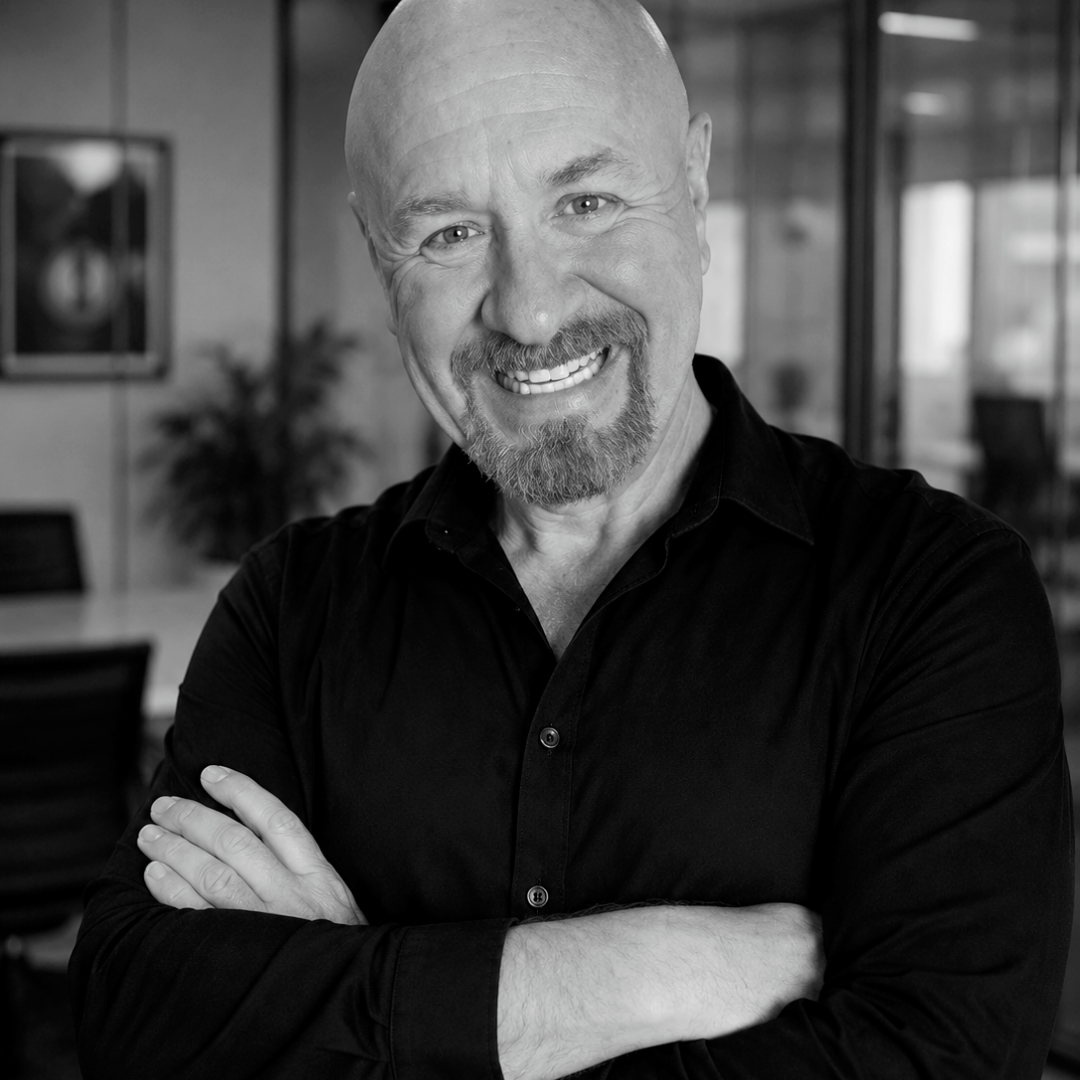
Lance Hemenway is CEO & Founder at Fireball Agency, a Kansas City-based marketing agency helping businesses build AI authority and visibility. Connect with Lance on LinkedIn.
Over the past two decades, Lance has helped launch, grow, and scale digital businesses during some of the internet’s most transformative moments.
Digital marketing can still drive growth, but is it worth the cost? A look at 2026 advertising benchmarks, customer retention and how businesses can measure their return.
Kansas City has no shortage of branding talent, but choosing the right agency takes more than reviewing portfolios. Lance Hemenway ranks six Kansas City branding agencies, comparing their strengths in...
AI search is changing how people research products, compare services and evaluate companies before visiting their websites. We explore five major AI search platforms, what makes each different and why...